Difficult access rubbish removals for Earlscourt Mansions flats
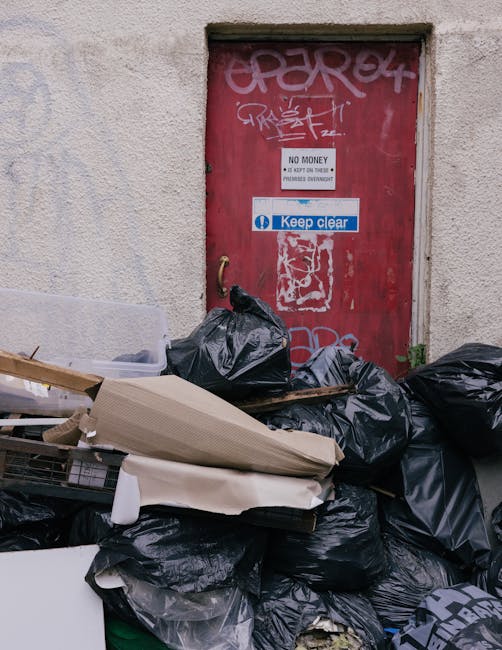
If you live in Earlscourt Mansions, you probably already know that getting bulky rubbish out of a flat is rarely as simple as "carry it downstairs and done." Narrow hallways, stairwells with awkward turns, shared entrances, lift access that is limited or unavailable, parking pressure, and the general reality of mansion block living can turn a straightforward clear-out into a small logistical puzzle. Difficult access rubbish removals for Earlscourt Mansions flats are designed for exactly that kind of problem.
This guide explains how the process works, what makes it different from a standard collection, and how to avoid the common snags that waste time, money, and patience. You will also find practical checklists, comparison points, compliance notes, and a realistic example of what a well-planned flat clearance can look like. To be fair, the details matter here. A lot.
For related services, readers often also look at flat clearance, furniture disposal, and broader waste removal support when a flat needs more than one type of item taken away.
Why Difficult access rubbish removals for Earlscourt Mansions flats Matters
In a mansion block setting, rubbish removal is often less about the volume of waste and more about the route it has to travel. A single sofa might be light enough with two people, but if it will not turn on the landing or if the stairwell is tight, that sofa suddenly becomes a planning issue. That is where difficult access rubbish removals become genuinely useful.
They matter because access problems can create four very ordinary but very annoying outcomes:
- items get left in hallways because nobody wants to risk damage;
- collections take longer than expected, which can upset neighbours and building managers;
- building surfaces, banisters, or paintwork get scratched during a rushed move;
- residents delay getting rid of clutter, so the flat feels cramped and harder to use.
If you have ever tried to pivot a mattress around a corner while someone on the stairs says, "just a bit more to the left," you will know the feeling. It sounds small. It isn't. The combination of shared spaces, stairs, parking constraints, and preserving the property makes the job more technical than people expect.
Expert summary: the best difficult-access rubbish removal is not simply a bigger van or stronger lifting. It is careful surveying, sensible scheduling, proper protection for the building, and a crew that knows how to move items without turning the common parts into a battleground.
When a flat is part of a wider residential block, it also helps to think about the neighbour effect. One badly timed clearance can cause noise, blocked passageways, or frustration in the communal entrance. A planned approach keeps everyone calmer. And calmer is good.
How Difficult access rubbish removals for Earlscourt Mansions flats Works
The process normally starts with a quick assessment of access. That may be a conversation about stairs, lift size, corridor width, door frames, parking, and where the team can safely load the waste. In many cases, a photo or brief description is enough to identify whether special handling will be needed. If the job involves awkward furniture, mixed household junk, or builder-style debris, the assessment matters even more.
After that, a removal plan is put together. For a difficult access flat, the plan usually includes:
- what needs removing and roughly how much there is;
- how the items will leave the flat;
- how the team will protect walls, floors, and communal areas;
- where the vehicle can stop;
- whether the work needs extra time or a larger crew.
Then the collection itself happens in a controlled order. Lightweight or fragile items may be removed first to clear space. Larger items such as wardrobes, sofas, or bed frames may be dismantled if needed. Sometimes a job that looks like a simple clearance turns into a bit of tactical furniture Tetris. That is normal, honestly.
If the flat contains a mix of old household items, office bits, or leftover materials from a refurb, the team may split the load into categories. For example, domestic rubbish can be taken with home clearance support, while mixed renovation debris is better handled through builders waste clearance. That distinction helps with sorting, handling, and recycling.
Once everything is out, the area is checked for stray screws, splinters, and packaging. In a proper removal, this final sweep matters. It is the difference between "job done" and "job done properly."
Key Benefits and Practical Advantages
Difficult access rubbish removals are not just about convenience. They solve real operational problems that show up in old or characterful buildings, especially in central London mansion flats where access is rarely generous.
- Less risk of damage: when items are moved with the right method, there is less chance of scuffed walls, chipped paint, or damaged doors.
- Less stress for residents: no one enjoys a clear-out that drags on all afternoon because the wardrobe would not fit down the stairwell.
- Better neighbour relations: efficient work reduces noise and blockages in shared parts of the building.
- Safer handling: crews can use the right lifting technique, protective equipment, and route planning rather than improvising.
- Cleaner outcomes: waste is cleared in one go rather than being left in the flat for "later," which usually means never.
There is also a psychological benefit. Clutter in a flat with tight access can feel bigger than the room itself. Once old furniture, broken appliances, and accumulated bits are out, the space often feels brighter almost immediately. You notice the light. You notice the floor. You notice how much easier it is to breathe in the room. Small thing, big effect.
For landlords, agents, or building managers, a managed approach also helps maintain presentation and reduce complaints. If a property is being prepared for new tenants or sale, that can matter a great deal. And if you are dealing with repeat clearances across flats, a reliable process is simply easier to live with.
Who This Is For and When It Makes Sense
This kind of service is a good fit for residents and property managers dealing with access restrictions that make standard rubbish collection awkward or unsafe.
It is especially useful if you are:
- clearing a flat in a mansion block with narrow staircases;
- removing large furniture that will not pass cleanly through doors or turns;
- dealing with a flat on an upper floor and no practical lift access;
- sorting out rubbish after a move, refurb, or tenancy change;
- trying to clear mixed waste from a property without creating mess in communal areas;
- working to a deadline before decorators, contractors, or new occupants arrive.
It also makes sense when the job is simply too much for a few carry bags and a borrowed van. A lot of people underestimate how quickly rubbish multiplies. One old chest of drawers becomes a bed base, then a broken desk, then a pile of packaging, and suddenly the hallway is doing a poor impression of a storage cupboard.
If your flat clearance involves only a few lightweight items, a smaller job may be enough. If it includes room contents, bulky furniture, or mixed waste, a more structured approach is usually the smarter choice. For broader contents work, house clearance and furniture clearance pages can be useful reference points too.
Step-by-Step Guidance
Here is a practical way to prepare for a difficult access rubbish removal in Earlscourt Mansions flats without overcomplicating it.
1. Identify everything that needs removing
Walk through the flat and make a quick list. Focus on bulky items first, then smaller waste. It helps to separate furniture, general rubbish, and any items that may need extra care such as mirrors, glass, or electronics.
2. Check the access route
Measure door widths if needed, look at stair turns, and think about where items may snag. A narrow entrance, shared lift, or tight landing can change the whole approach. If there are protective covers on communal floors, note that too.
3. Decide what can be dismantled
Some furniture is easier to remove in parts. A bed frame, wardrobe, or desk might be much simpler once it has been taken down. That can save time and reduce the risk of scratches. Not always, but often enough to matter.
4. Reserve parking or loading space if necessary
In London, parking can be the hidden problem. If the vehicle cannot stop close enough, the carrying distance increases and so does the time on site. If you know the building layout, mention it early.
5. Protect communal areas
Ask how the team will protect walls, lift interiors, and floors. In a shared mansion block, this is not a "nice to have." It is basic courtesy.
6. Schedule the removal at a sensible time
Early morning can work well, but not every building suits the same timing. Think about neighbours, access to parking, and whether contractors or cleaners are due in later.
7. Confirm the disposal route
Ask where the waste will go, how reusable items are handled, and whether anything can be separated for recycling. If the clearance includes mixed material, a service with clear sorting procedures is usually the better bet. You do not want good items thrown away by accident, no.
Expert Tips for Better Results
The best removals are usually the ones that feel calm from the outside. That calm comes from preparation.
- Take photos before the job: even a few quick pictures can help assess access and estimate the size of the load.
- Measure the awkward bits: door widths, lift openings, and the tightest stair turn are more useful than a rough guess.
- Group items by type: keep furniture, general rubbish, and fragile items separate where possible.
- Remove loose clutter first: clear the small stuff so the team can move bulky items without tripping hazards.
- Warn neighbours if the building is sensitive: a polite heads-up can prevent unnecessary complaints.
- Ask about insurance and safety: that is especially relevant in shared buildings where damage claims can be awkward and slow.
A small but helpful tip: if there is a piece of furniture you think "might just fit," assume it won't until someone has checked. That one attitude change can save a lot of guesswork. Truth be told, it often does.
You may also want to look at the provider's approach to insurance and safety and their health and safety policy so you know how they handle risk in common parts and during lifting.
Common Mistakes to Avoid
A difficult-access clearance is one of those jobs where small mistakes cause outsized hassle. Here are the usual traps.
- Underestimating the access route: people focus on the waste and forget the corridor, stairwell, or lift constraints.
- Leaving everything to the last minute: rushed bookings often mean poor planning and more disruption.
- Not checking item dimensions: a sofa that looks manageable may be hopelessly awkward at the landing.
- Ignoring communal responsibilities: shared parts of the building should be treated with care, not as an afterthought.
- Mixing recyclables and general waste without asking: that can make sorting harder and reduce recovery opportunities.
- Choosing the cheapest option without asking how the job will be done: low price is useless if the removal ends up messy or delayed.
Another mistake is assuming all "rubbish removal" services work the same way. They do not. A plain van and two hopeful arms are not the same as a properly planned access-aware clearance team. Big difference.
Tools, Resources and Recommendations
You do not need specialist equipment yourself, but a little preparation helps the process move smoothly. A tape measure, camera phone, a basic list of items, and a notepad for access notes are often enough.
Useful things to have ready include:
- approximate sizes of large items;
- a note of which floor the flat is on;
- lift dimensions if there is a lift;
- any building rules about parking or deliveries;
- information about fragile flooring or protected communal areas;
- your preferred clearance window.
For related planning around specific item types, it can help to compare with furniture clearance, garage clearance, or loft clearance if the items are coming from storage spaces rather than main rooms.
If you are organising clearance for an office-style flat or a live-work space, office clearance may also be relevant in a supporting sense, particularly where desks, chairs, files, and mixed waste need careful handling.
Law, Compliance, Standards, or Best Practice
When rubbish removal happens in a residential building, the practical side matters, but so does responsible handling. In the UK, the broad expectation is that waste should be managed safely, kept from causing nuisance, and taken to appropriate facilities by people who know what they are doing. You do not need to become an expert in waste law to make a sensible choice, but it does help to ask a few direct questions.
Good practice usually includes:
- appropriate lifting and carrying methods;
- care around fire exits, halls, and shared stairways;
- clear sorting of reusable, recyclable, and non-recyclable items;
- proper handling of anything potentially hazardous;
- respect for building rules and residents;
- transparent pricing and clear service terms.
If a provider looks vague about how waste is handled, that is worth pausing over. You are entitled to ask how they manage recycling, what happens to furniture, and how they avoid damage in communal areas. The same goes for payment terms and service expectations; a clear terms and conditions page and a straightforward payment and security explanation are reassuring signs.
Best practice also means being honest about access difficulties from the outset. It is much easier to say, "the stairwell is tight and the lift is tiny," than to hope the crew will just figure it out on the day. They usually will, but only after a bit of sighing and some careful manoeuvring.
Options, Methods, or Comparison Table
There are usually a few ways to deal with rubbish from a difficult-access flat. The best option depends on the quantity, the type of waste, and how awkward the building is.
| Method | Best for | Strengths | Limitations |
|---|---|---|---|
| Self-clearance | Very small loads | Lower upfront cost if you already have transport | Hard work, more trips, and a higher risk of damage or delay |
| Ad hoc van hire | Moderate loads with decent access | Flexible and simple for one-off jobs | Still requires lifting, sorting, and careful loading |
| Professional difficult-access rubbish removal | Bulky items, stair-only access, shared buildings | Safer, faster, better planned, less stress on residents | Usually costs more than doing it yourself |
| Specialist flat clearance | Full or partial room clear-outs | Good for mixed contents and furniture-heavy jobs | May be more than needed for a tiny collection |
As a general rule, the tighter the access and the heavier the items, the more value you get from a professional approach. If it is just a few bags, maybe you do not need the full machinery. If it is a sofa, a wardrobe, and a deadline, that changes fast.
Case Study or Real-World Example
Picture a first-floor flat in Earlscourt Mansions being cleared after a tenancy ends. The flat contains a dismantled bed, an old armchair, two bookcases, mixed bags of household rubbish, and some leftover packaging from a recent redecorating job. The stairwell is narrow, the landing turn is awkward, and the building has shared entrance space that needs protecting.
On the day, the team starts by checking the route and placing protection on the areas that are most likely to be brushed by corners or edges. The lighter bags come out first, then the bookcases, and finally the bigger items once they have been partially dismantled. One bookcase needs a small adjustment because of a door hinge, which is exactly the sort of thing that would have caused trouble if nobody had planned ahead. That sort of thing happens. Not a drama, just reality.
The flat is left tidy, the communal hallway stays clean, and the outgoing resident does not have to spend the evening dealing with piles of waste outside the door. The main win is not flashy. It is simply that everything happens without fuss.
If the items had included more refurb debris, the job might also have linked naturally to builders waste clearance, especially where timber offcuts, plasterboard, or packaging formed part of the load.
Practical Checklist
Use this checklist before booking or on the day of a difficult-access clearance.
- List all items that need removing.
- Measure large furniture and awkward gaps.
- Note whether stairs, lift access, or both are involved.
- Check if parking or loading space is available.
- Confirm any building rules for shared areas.
- Separate fragile, reusable, and general waste where possible.
- Ask how floors, walls, and doors will be protected.
- Check whether items can be dismantled for easier removal.
- Agree the collection time and expected duration.
- Review pricing, payment, and service terms before the day.
- Ask what happens to recyclable or reusable items.
- Make sure the path from flat to vehicle is clear.
That is the simple version, really. Do the basics well and the rest tends to follow.
Conclusion
Difficult access rubbish removals for Earlscourt Mansions flats are about more than taking waste away. They are about handling a tricky space with care, avoiding damage, keeping neighbours happy, and getting the job done without unnecessary stress. In a building like this, access planning is not an extra step; it is the service.
Whether you are clearing one bulky item or dealing with a full flat, the smartest approach is the one that respects the building, the residents, and your own time. A careful, organised removal always feels better than a rushed one. Always.
If you are comparing options, it is worth reviewing service details such as pricing and quotes, the company's background via about us, and sustainability commitments through recycling and sustainability. Those pages help you judge whether the service feels organised, transparent, and suitable for a proper residential clearance.
Get a free quote today and see how much you can save.
And if you are still at the "where do I even start?" stage, that is fine. Start with the access route, the item list, and a sensible plan. The rest usually gets easier from there.
Frequently Asked Questions
What counts as difficult access rubbish removal in a flat?
It usually means the waste has to be removed through stairs, tight corners, shared hallways, small lifts, or other awkward routes where standard collection is not straightforward. In Earlscourt Mansions flats, that often means planning around the building as much as the waste itself.
Can large furniture be removed from upper-floor flats?
Yes, in many cases it can. The key question is whether the item fits through the access route or whether it needs dismantling first. Sofas, wardrobes, and bed frames are common examples where careful handling makes all the difference.
Do I need to measure doors and stairwells beforehand?
You do not have to, but it helps a lot. Even rough measurements can reveal whether an item will fit or whether it is likely to snag on a turn. That small bit of checking can save a wasted visit.
How should I prepare my flat before the removal team arrives?
Clear loose items from walkways, separate fragile things, and make sure the route from the flat to the exit is as open as possible. If the building has rules about parking or shared entrances, keep those to hand too.
What if there is no lift in the building?
No lift is not unusual, and it does not automatically stop the job. It just means the team needs to factor in stairs, carrying distance, and likely time on site. The heavier and bulkier the items, the more important the planning becomes.
Will the crew protect communal areas?
A proper service should. Floor protection, careful carrying, and attention to walls and door frames are all part of doing the work responsibly in a shared building. It is one of those things you only really notice when it goes wrong.
Can rubbish and furniture be collected together?
Yes, often they can. Mixed loads are common in flat clearances, especially after a move or refurb. The provider should sort items appropriately and decide which pieces can be reused, recycled, or disposed of safely.
How long does a difficult-access clearance usually take?
It depends on the amount of waste, the layout of the building, and whether items need dismantling. A small job may take a short visit, while a full flat clearance in a tricky building can take much longer. Access is often the deciding factor.
Is this service suitable for landlords or letting agents?
Yes, very much so. It can be useful between tenancies, after a move-out, or when a flat has been left with bulky items that need removing quickly and cleanly. For recurring property needs, business-style coordination can be helpful too.
What should I ask before booking?
Ask how the access will be handled, whether furniture can be dismantled, how floors and communal areas will be protected, what happens to recyclable items, and what the final price includes. Straight answers are usually a good sign.
Is difficult access rubbish removal more expensive?
It can be, because the job may take longer and require more care or more staff. That said, the cost often reflects the real work involved. With awkward access, the cheapest quote is not always the best value.
Can recyclable items be separated during the clearance?
Usually, yes. Many clearances benefit from separating reusable furniture, recyclable materials, and general waste. If sustainability matters to you, ask about it early and look for a provider that explains its approach clearly.
What happens if an item does not fit through the stairwell?
The team may dismantle it if that is safe and practical. If not, they will need to adjust the removal plan. This is why a proper access check matters before the day, because surprises on the stairs are nobody's favourite.