Garden Clearance in Earls Court
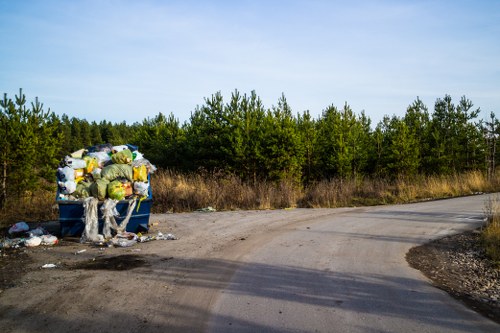
Garden Clearance Earls Court provides a practical service for clearing outdoor spaces, lifting unwanted materials, and leaving a garden ready for the next stage of use. Whether the work involves a small back courtyard, an overgrown patch, or a larger domestic garden, the focus is on removing accumulated waste in a careful, organised way. The service can include green waste, broken planters, old timber, soil, branches, and mixed outdoor clutter, with attention to separating what can be handled efficiently from what needs different treatment.
Our approach is suited to homes, landlords, letting agents and businesses that need outdoor areas cleared without unnecessary disruption. We work with the layout that is already there, so access, surface protection and the type of material all shape the method. If a garden contains a mix of organic waste and items such as fencing offcuts or rusted metal, we aim to sort the load sensibly before removal. Clearance is most effective when the right waste is handled in the right way, and that principle guides the service from start to finish.
From a tidy-up after pruning to a more complete outdoor clearance, the service is designed to support sensible site recovery rather than leave you with a pile of debris to deal with later. If you need a straightforward way to clear garden waste in Earls Court, you can request a quotation once you have a clear idea of what needs removing.
Garden Waste Removal and Outdoor Decluttering
Garden clearance often begins with the material that has built up gradually: cuttings, leaves, dead plants, broken pots, damaged edging, and pieces of garden furniture or storage that are no longer wanted. In many properties, the challenge is not just volume but the mixture of items. A sensible clearance service deals with that mixture in a structured way, so the outdoor space becomes easier to use, inspect or replant. We can help remove loose, stacked or bagged material as part of a broader tidy-up.
There are times when a garden is simply cluttered rather than heavily overgrown. In those cases, the aim is to clear visible waste, restore access paths, and remove objects that make maintenance harder. This may involve lifting heavy planters, dismantling lightweight structures, or taking away items that have been left against fences and walls. A careful clearance makes it easier to see the true condition of the space, which helps with deciding what to keep, repair or replace. It also supports a cleaner handover when a property is being prepared for sale or tenancy changes.
Common garden clearance tasks may include:
- removing grass cuttings, weeds and hedge trimmings
- lifting broken plant pots, trays and garden containers
- clearing rotting timber, offcuts and loose boards
- taking away damaged outdoor furniture and storage items
- collecting mixed garden waste from borders, patios and sheds
Overgrown Areas, Access and Practical Handling
When a garden has become overgrown, clearance usually needs more than a simple load-and-go approach. Paths may be obscured, borders may have collapsed under growth, and there may be hidden waste beneath vegetation. In those situations, the work is best approached in stages so that access can be created safely and the remaining debris can be collected efficiently. We can deal with the clearance side of that process, making it easier for the space to be brought back under control afterwards.
Access also matters. Some Earls Court properties have narrow side passages, basement routes, shared entrances or limited turning space, so planning the collection route is part of doing the job properly. A garden clearance team needs to think about carrying distance, protection for surfaces, and how to remove materials without dragging dirt into the property. Where items are awkward or heavy, a controlled approach is usually better than trying to rush the work. Good handling protects both the property and the people involved, especially where the route to the outside space is tight.
It helps to keep a simple inventory in mind when asking for help:
- what type of waste is present
- how much is loose, bagged or stacked
- whether there are any bulky items mixed in
- how access is reached from the garden
- whether the clearance is partial or complete
What We Can Remove from a Garden
Garden clearance is often broader than green waste removal alone. Alongside natural material, many outdoor spaces contain mixed items that have been left during previous projects or seasonal changes. We can remove broken outdoor seating, damaged fencing pieces, dismantled shed sections, old plant supports, discarded toys, and general garden clutter that no longer has a place in the space. The intention is to create a more workable area, not simply shift waste from one corner to another.
In some cases, the garden also contains household items that were stored outside temporarily and never brought back in. When these items are suitable for clearance, they can be taken away together with the rest of the outdoor waste, provided they fit the scope agreed in advance. That avoids the need for separate collections and keeps the task more straightforward. If there are items you want to keep, it is best to separate them first so the clearance can proceed without confusion. A little preparation can save time and help the removal stay efficient.
Where the work involves several material types, careful sorting can make the process smoother and more predictable. Green waste, reusable metal, timber, and general mixed debris may each need different treatment, so a clearance service benefits from making sensible distinctions early on. That is especially useful in gardens where old projects have been abandoned and the space contains both organic waste and built materials in one place.
Planning the Clearance and Pricing Factors
Garden clearance quotes are usually shaped by practical factors rather than by one fixed formula. The amount of waste, the type of material, access to the garden, and whether heavy items need extra handling all affect the scale of the job. A pile of light cuttings is different from a mixed clearance with timber, soil, metal and bulky furniture. For that reason, clear details at the enquiry stage help produce a more accurate quotation and reduce the chance of surprises later.
If you are arranging a quotation, it is useful to think about what needs to go, where it is located, and whether the task is a one-off tidy or a more complete clearance. Photographs can be helpful when they show the size and spread of the work, but a written description is also valuable. The aim is to make the scope understandable enough for a fair estimate. Clarity at the start helps the clearance run more smoothly, particularly where access is awkward or the garden includes more than one type of waste.
For straightforward planning, you can note:
- the approximate size of the area to be cleared
- the kinds of waste or items present
- any steps, narrow gates or carrying routes
- whether the work should include all visible debris or only selected sections
Domestic Garden Clearance for Homes and Flats
For domestic customers, garden clearance often sits alongside seasonal maintenance, moving home or preparing an outdoor area for use again. A neglected patio, courtyard or small rear garden can quickly collect a mix of leaf litter, broken equipment and general outdoor rubbish. Clearing that material makes the space easier to inspect and manage, whether the next step is replanting, repairs or a fresh layout. The work is especially helpful where there is no convenient way to dispose of bulky waste in a standard bin system.
Not every garden needs a full clear-out. Some households only want specific sections dealt with, such as a shed corner, a compost area, a line of old planters or the strip behind a garage. Others need a much broader service that removes most of the visible waste in one visit. We can work with either type of requirement, keeping the service proportionate to the job. If you want to keep certain items for reuse, it helps to set them aside first so the remaining waste can be taken away without delay.
For many domestic customers, the main benefit is simplicity. Instead of arranging several smaller trips or leaving garden waste to accumulate, the job is brought together in one organised clearance. That can be particularly useful after pruning, small landscaping work or an extended period when the outside space has not been used regularly.
About Earls Court
Earls Court is an area in West London, known for its dense urban character and close connection to neighbouring districts such as Kensington, West Brompton and Fulham. Historically, it developed from rural estates into a much more built-up part of the city during the nineteenth and twentieth centuries, shaped by railway growth and the expansion of residential terraces, mansion blocks and later apartment buildings. The area takes its name from an estate that once occupied land here, and traces of that layered history can still be seen in the mix of streets and building styles. Some parts are dominated by elegant late Victorian and Edwardian architecture, while other stretches reflect later redevelopment and post-war change. Earls Court station has long been a well-known transport focus, and the district sits within a wider pattern of walking routes, Underground connections and bus corridors that link it to the rest of inner London. The former Earls Court Exhibition Centre played a major role in the area’s modern identity until its closure and demolition, and its absence remains part of the local story of change and redevelopment. Nearby, Brompton Cemetery and the open spaces of Holland Park and Kensington Gardens contribute to the broader landscape of west and central London, while local streets retain a more compact urban feel. The area is also associated with a varied social life, with independent shops, cafés, hotels and residential buildings creating a busy everyday atmosphere. Its scale is relatively small, yet its setting between larger districts gives it a distinctive position in the capital’s geography and history.
House Clearance Support and Mixed Domestic Projects

Some garden clearances are part of a wider property project. For example, a rear yard may need clearing at the same time as loft contents, garage clutter or household items that have built up indoors. In those cases, it can be sensible to combine the work so the property is handled as one organised task rather than several separate jobs. Our service can sit alongside broader domestic clearance needs where the outdoor waste forms only one part of the overall picture. That makes it easier to keep the property moving towards a usable state.
Mixed domestic jobs often require a decision about sequence. A garden may need to be cleared first so that bulky items can be moved through a safer route, or house contents may need to be removed before the outdoor area can be accessed properly. The right order depends on the layout and the volume of material. Where there are damp items, damaged bags or loose waste spread across different spaces, a planned approach avoids unnecessary back-and-forth. It also helps keep the removal process calmer and more manageable for everyone involved.
If your project involves both indoor and outdoor clearance, it is usually best to describe the full scope at the outset. That way, the collection can be planned with the correct type of vehicle access, carrying route and sorting priorities. The more accurately the job is described, the easier it is to put together a sensible quote and a practical collection plan.
Cleaning Up After Gardening Work

Not every clearance job is about years of neglect. Sometimes a garden has simply produced more waste than can be dealt with through ordinary bins after a pruning session, a hedge cut, or a light landscaping task. In those cases, the task is less about recovery and more about taking away the surplus material left behind by the work. That might include hedge trimmings, turf offcuts, soil from small reshaping jobs, and the packaging or broken fittings left after outdoor repairs.
This type of clearance can be useful after a change in season, after tenants move out, or after a weekend of sorting through old outdoor items. It gives you a cleaner finish without needing to manage the waste in several separate stages. Where the waste is mostly green material, the load may be relatively straightforward; where it is mixed with timber, fixtures or broken furniture, the collection needs a little more sorting. Either way, the aim is to leave the space easier to manage and easier to enjoy.
For a quick response to a garden tidy-up or a more substantial outdoor clearance in Earls Court, ask for a quotation when you are ready. A clear description of the material and access makes it easier to match the service to the job, and our team can then help you move from cluttered ground to a cleaner, more workable space.
Recycling, Sorting and Responsible Waste Handling
Garden clearance is not only about removal; it is also about handling waste sensibly once it has been lifted. A mixed outdoor load may contain organic material, recyclable timber, metal, and general rubbish, so the way the waste is sorted has a direct effect on how efficiently it can be managed afterwards. Careful separation supports better handling of the material and avoids treating every item as if it were the same. That is particularly relevant in gardens where clearance has been delayed and different types of debris have ended up together.
Where possible, separating materials during the clearance can make disposal more orderly. Green waste can be kept apart from hard materials, while reusable objects may be identified before they are mixed into the load. This is useful both in compact gardens and in larger spaces where different parts of the site have accumulated different kinds of waste. A methodical approach is generally preferable to simply loading everything blindly, because it creates a clearer and more controlled process from collection to final removal.
Responsible handling also includes respect for the site itself. Gardens often sit close to fences, paving, walls or planting beds, so loading needs to be done without causing unnecessary disturbance. When waste is removed carefully, the outside area remains easier to work on afterwards, whether that means replanting, landscaping or simply keeping the ground clear for regular use.
Garden Clearance for Lettings, Estates and Property Changes
Lettings, estate management and property changeovers often require outdoor spaces to be dealt with quickly and neatly. A garden that has been left with unwanted items, cuttings or accumulated clutter can make a property feel less settled, even when the indoor rooms are already in order. Clearance can help restore a more presentable exterior, which is useful before new occupants arrive, after tenants leave, or when a property is being prepared for viewing. The work can be arranged to focus only on the outside area or as part of a broader clearance plan.
In these situations, the main priorities are consistency and clarity. If a landlord, agent or property owner knows which parts of the garden should be emptied, which items can stay, and whether the job is partial or complete, the clearance can be handled more efficiently. It is also helpful when the outdoor area is documented in a simple way before work begins, especially if several different items are stored there. Good communication at the start means the final result is more likely to match the intended scope.
Where time is limited, a focused outdoor clearance can be a practical way to make a property more manageable without attempting unnecessary extras. The key is to match the work to the actual need: enough clearing to improve the space, but not so much that the job becomes overcomplicated or wasteful.
Request a Quotation for Garden Clearance in Earls Court
If you are planning a garden clearance in Earls Court, the simplest next step is to gather a short description of the waste, the access to the garden and whether you want a partial or full clearance. That information is usually enough to start a useful quotation process. If the space includes mixed items, awkward carrying routes or more than one area to clear, it helps to mention that clearly from the beginning. The aim is to make the scope visible enough for a practical estimate.
When you are ready, you can send over the details and request a quotation for the work you need. A clear brief helps us match the service to the right size of job, whether it is a small tidy-up, a garden full of mixed waste, or a broader clearance alongside other domestic items. For many customers, the value lies in getting the outside space handled properly in one organised process rather than delaying the task.
For a straightforward next step, ask for a quotation and explain what needs removing. If you have a garden that needs clearing now, we can help turn that cluttered area into a cleaner, easier space to use.